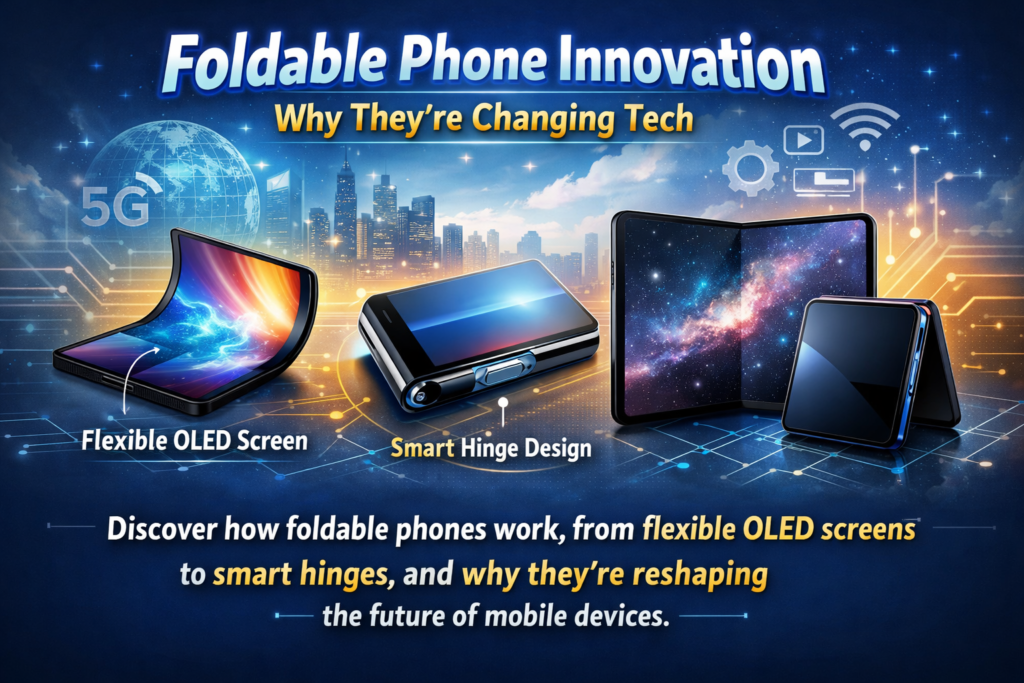
Bevezetés az összecsukható telefonok innovációjába
Miért változtatják meg az ipart az összecsukható telefonok?
Az összecsukható okostelefonok már nem csak futurisztikus koncepciók – valóságosak, használható eszközök, amelyek átalakítják a mobiltechnológiával való interakciónkat. Gondolj bele: évekig, az okostelefonok ugyanazt a merev lemezkialakítást követték. Aztán hirtelen, egy eszköz egy kompakt telefonból másodpercek alatt tablet méretű képernyővé változhat. Ez a változás nem csak kozmetikai; alapjaiban változtatja meg a felhasználói élményt.
In 2026, az összecsukható eszközök jelentősen kiforrtak. A korai aggodalmak, mint például a törékeny zsanérok, látható ráncok, és a gyenge szoftver-adaptációt gyors innovációval kezelik. A legújabb iparági betekintések szerint, az összecsukható kijelzők most „karcsúbbak, masszívabb, és sokkal praktikusabb a mindennapi használatra” . Ez az evolúció azt jelzi, hogy az összehajtható termékek már nem kísérleti jellegűek, hanem általános alternatívákká válnak.
Mi teszi ezt lehetővé? Mindez a két alapvető technológia zökkenőmentes együttműködésén múlik: rugalmas OLED kijelzők és precíziós csuklós mechanizmusok. E kombináció nélkül, összecsukható telefonok egyszerűen nem léteznének.
Az evolúció a merev képernyőktől a rugalmas kijelzőkig
A hagyományos okostelefon-képernyők merev üvegfelületeken alapulnak. Ezek erősek, de törékenyek – hajlítsa meg őket, és összetörnek. Ez a korlátozás évtizedekre meghatározta a telefon tervezését. A mérnököknek olyan módszerre volt szükségük, hogy a kijelzőket hajlíthatóvá tegyék a képminőség vagy az érintésérzékenység feláldozása nélkül.
Az áttörést a rugalmas OLED technológia hozta meg. Merev üveg helyett, a gyártók fejlett polimereket és ultravékony anyagokat kezdtek használni, amelyek többször is hajlékonyak. Mechanikus csuklópántrendszerekkel kombinálva, ez az innováció lehetővé tette a képernyők papírszerű hajtogatását – miközben továbbra is tökéletesen működnek.
Mitől működik egy összecsukható telefon
A kijelző és a gépészet kombinációja
A lényegében, egy összecsukható telefon tökéletes házasság közöttük anyagtudomány és gépészet. A kijelzőnek elég rugalmasnak kell lennie ahhoz, hogy több ezerszer meghajoljon, míg a csuklópántnak pontosan és biztonságosan kell vezetnie ezt a hajlító mozgást.
Képzelje el, hogy véletlenszerűen meghajlít egy műanyag lapot – gyűrődik és gyengül. De ha ezt a mozgást egy szabályozott görbe mentén vezeti, az anyag sokkal tovább tart. Pontosan ezt teszik az összehajtható telefonok: a zsanér szabályozza a képernyő összecsukását, csökkenti a stresszt a kritikus területeken.
Miért nem lehet összecsukni a hagyományos képernyőket?
A szabványos LCD vagy merev OLED panelek üvegre épülnek. Az üveg nem tűri a hajlítást – feszültség hatására eltörik. Még az ultravékony üveg is (KÖZLEMÉNY), modern összehajtható elemekben használatos, rugalmas rétegek támogatására van szüksége ahhoz, hogy túlélje az ismételt hajtogatást.
Ez az oka annak, hogy az összehajtható telefonok teljesen új kijelző-architektúrákra támaszkodnak. Az alapanyagok cseréje nélkül, összecsukni egyszerűen lehetetlen lenne.
A rugalmas OLED-kijelzők magyarázata
Üvegtől a műanyag hordozóig
Az összecsukható paravánok legfontosabb átalakítása az üveg flexibilis anyagokra való cseréje.
A poliimid szerepe (PI) Anyagok
Üveg helyett, összecsukható kijelzők használata poliimid (PI)- nagy teljesítményű műanyag fólia. Molekulaszerkezete apró rugórendszerként viselkedik. Amikor hajlított, a molekulaláncok nyúlnak és forognak, a stressz egyenletes elosztása ahelyett, hogy egy helyre koncentrálná.
Ez az oka annak, hogy a PI nem reped meg ismételt hajlítás hatására. Olyan ez, mint egy vékony fém vonalzó meghajlítása egy üvegdarab felpattintásával szemben – a rugalmasság mindent megváltoztat.
A modern összecsukható termékek gyakran kombinálják a PI-t ultravékony üvegrétegekkel (30-70 mikron vastag) a jobb tartósság és tisztaság érdekében . Ez a hibrid megközelítés egyensúlyt teremt a rugalmasság és az erő között.
Önkibocsátó OLED előnyei
Miért ideális az OLED a rugalmasság szempontjából?
OLED (Szerves fénykibocsátó dióda) A technológia eleve alkalmas az összecsukható eszközökhöz. Ellentétben az LCD-kkel, Az OLED pixelek saját fényt bocsátanak ki. Ez azt jelenti:
- Nincs terjedelmes háttérvilágítási réteg
- Vékonyabb általános szerkezet
- Nagyobb rugalmasság
Minden pixel önállóan működik, lehetővé teszi a kijelző fényerejének és színpontosságának megőrzését még hajlított állapotban is. Ez az önkibocsátó tulajdonság játékmódot jelent – leegyszerűsíti a szerkezetet és csökkenti a mechanikai kényszereket.
Rugalmas Touch Layer technológia
Grafén és vezető anyagok
A képernyő nem hasznos érintési funkció nélkül. Az összecsukható eszközök rugalmas vezető anyagokat használnak, mint pl grafén vagy fémhálós rétegek érintésérzékeléshez.
Ezek az anyagok megőrzik az elektromos vezetőképességet még nyújtáskor vagy hajlításkor is. Kapacitív érzékelés használata, a képernyő a hagyományos okostelefonokhoz hasonlóan érzékeli az érintéses bemeneteket – a rugalmasság feláldozása nélkül.
A teljes köteg – kijelző, elektródák, és érintési réteg – úgy tervezték, hogy összehajlítsa. Ha akár egy réteg is meghiúsult, az egész rendszer összeomlana.
A precíziós csuklós rendszer
A zsanérok szerepe összecsukható eszközökben
Ha a rugalmas OLED a „bőr,” a zsanér a „csontváz”. Ez határozza meg, hogy az eszköz hogyan hajtható össze, milyen sima a mozgás, és mennyire tartós a telefon az idő múlásával.
A rosszul megtervezett zsanér károsíthatja a képernyőt, mély ráncokat hozzon létre, vagy többszöri használat után meghibásodik. Ezért a gyártók sokat fektetnek a csuklópántok tervezésébe.
A zsanérok típusai
Vízcsepp csuklópánt kivitel
A vízcsepp csuklópánt lehetővé teszi, hogy a képernyő enyhe ívben, nem pedig éles szögben hajtható be. Ez a kialakítás csökkenti a kijelző terhelését és minimalizálja a látható gyűrődéseket.
Az ilyen kialakítást használó modern eszközök akár részben nyitottak is maradhatnak különböző szögekben, laptopszerű használati módok engedélyezése.
Fogaskerék-alapú csuklós kialakítás
A fogaskerék-alapú zsanérok egymásba illeszkedő mechanikai alkatrészeket használnak a mozgás pontos szabályozásához. Ezek a rendszerek rendkívül stabilak, és gyakran tartalmaznak por- és vízálló tulajdonságokat.
Egyenletes összecsukható élményt nyújtanak, biztosítva, hogy a készülék mindkét fele tökéletesen illeszkedjen.
Tartósság és élettartam
Hajtogatási ciklus tesztelése és valós használat
A tartósság az összecsukható telefonok egyik fő szempontja. Szerencsére, A modern zsanérokat tartósra tervezték.
A legtöbb összecsukható zászlóshajó a következőre van besorolva 200,000+ redők, némi túllépéssel 500,000 ciklusok a tesztelésben . Ez több éves napi használatot jelent – még akkor is, ha naponta több tucatszor kinyitja és becsukja telefonját.
A legújabb innovációk közé tartozik:
- Önkenő anyagok
- Megerősített forgószerkezetek
- Porálló tömítés
Ezek a fejlesztések a zsanérokat a gyenge pontokból megbízható alkatrészekké alakították át.
Szoftveroptimalizálás összecsukható képernyőkhöz
Adaptív felhasználói felület és alkalmazás-kompatibilitás
A hardver önmagában nem elég. Az összehajtható telefonokhoz olyan szoftverre van szükség, amely dinamikusan alkalmazkodik a képernyő alakjának változásához.
Amikor kihajtja a készüléket, az alkalmazásoknak zökkenőmentesen kell átméretezniük. Az elrendezéseknek azonnal át kell váltaniuk telefon módról táblagép módra. e nélkül, az élmény nehézkesnek és következetlennek tűnik.
Zökkenőmentes átmenet a telefon és a táblagép mód között
A modern operációs rendszereket úgy tervezték, hogy zökkenőmentesen kezeljék ezt az átállást. Elkezdheti a videót a kis képernyőn, és megszakítás nélkül folytathatja a nagy képernyőn.
Ez az alkalmazkodóképesség az, ami igazán felszabadítja az összecsukható eszközökben rejlő lehetőségeket.
Az összecsukható technológia legfontosabb kihívásai
Gyűrődések kialakulása és megoldásai
Az egyik legnagyobb kihívás a hajtási vonal mentén látható gyűrődés. Bár általában nem befolyásolja a funkcionalitást, hatással lehet a felhasználói észlelésre.
A legújabb innovációk csökkentik ezt a problémát. Olyan technikák, mint a vízcsepp zsanérok, fejlett ragasztók, és a réteges üvegszerkezetek segítik a feszültség egyenletesebb elosztását. Néhány új dizájn még szinte láthatatlan gyűrődéseket is tartalmaz .
Anyagfáradás és hosszú távú megbízhatóság
Az ismételt hajlítás elkerülhetetlenül igénybe veszi az anyagokat. Idővel, ez mikrorepedésekhez vagy teljesítménycsökkenéshez vezethet.
A gyártók ezzel foglalkoznak:
- Többrétegű megjelenítési struktúrák
- Feszültségelosztó tervek
- Szigorú tartóssági vizsgálat
Még így is, a hosszú távú megbízhatóság megőrzése továbbra is kulcsfontosságú mérnöki kihívás.
Az összecsukható okostelefonok előnyei
Nagy képernyő kompakt formában
Az összecsukható telefonok egy régóta fennálló problémát oldanak meg: hogyan lehet nagyobb képernyőt készíteni az eszköz méretének növelése nélkül.
Megkapja a telefon hordozhatóságát és a táblagépek termelékenységét – mindezt egyetlen eszközben.
Fokozott termelékenység és többfeladatos munkavégzés
Nagyobb képernyőkkel, a felhasználók megtehetik:
- Futtasson több alkalmazást egymás mellett
- Hatékonyabban szerkessze a dokumentumokat
- Élvezze a magával ragadó média élményeket
Ez különösen vonzóvá teszi az összehajtható elemeket a szakemberek és a nagy teljesítményű felhasználók számára.
Az összecsukható eszközök jövője
Gyűrődésmentes kijelzők és fejlett anyagok
A következő határ a gyűrődés teljes megszüntetése. A cégek új anyagokkal kísérleteznek, ragasztók, és csuklópántok kialakítása e cél elérése érdekében.
Például, a feszültségelosztó ragasztók és az ultravékony üveg újításai már most ígéretes eredményeket mutatnak .
Piaci növekedési és ipari trendek
Bár az összecsukható termékek jelenleg az okostelefonok piacának egy kis részét képviselik – kb 1.6% részesedés – a növekedés folyamatosan folytatódik.
A költségek csökkenésével és a tartósság javulásával, az örökbefogadás növekedése várható. Az összecsukható eszközök nem helyettesíthetik teljesen a hagyományos telefonokat, de erős rést vájnak ki.
Következtetés
Az összecsukható okostelefonok a mobiltechnológia egyik legizgalmasabb vívmányát képviselik. A lényegükben, egyszerű, de erőteljes koncepcióra támaszkodnak: kombinálása rugalmas OLED kijelzők -vel precíziós tervezésű zsanérok.
Ez a kombináció lehetővé teszi a képernyők többszöri meghajlását anélkül, hogy eltörnének, miközben megőrzi a teljes kijelző és érintés funkciót. Adja hozzá a szoftveroptimalizálást, és egy olyan eszközt kap, amely zökkenőmentesen átalakul telefon és táblagép között.
Ez nem csak az innovációról szól, hanem arról, hogy újradefiniálja, milyen lehet egy okostelefon.
GYIK
1. Mi az összecsukható telefonok alaptechnológiája??
Az összehajtható telefonok rugalmas OLED-kijelzőkre támaszkodnak, precíziós csuklós mechanizmusokkal kombinálva, amelyek lehetővé teszik az ismételt hajlítást a képernyő károsodása nélkül.
2. Miért használnak OLED kijelzőket LCD helyett??
Az OLED kijelzők vékonyabbak, rugalmas, és önkibocsátó, így ideálisak az összecsukható kivitelekhez.
3. Mennyi ideig bírják az összehajtható telefonok?
A legtöbb modern összecsukható terméket legalább tesztelték 200,000 redők, ami több éves rendszeres használatot jelenthet.
4. Az összecsukható képernyők könnyen eltörnek?
A korai modelleknél tartóssági problémák voltak, de a jelenlegi eszközök sokkal robusztusabbak a továbbfejlesztett anyagoknak és a csuklópántok kialakításának köszönhetően.
5. Az összecsukható telefonok felváltják a hagyományos okostelefonokat?
Nem teljesen, de erős alternatívává válnak azoknak a felhasználóknak, akik nagyobb képernyőkre és jobb multitaskingra vágynak.