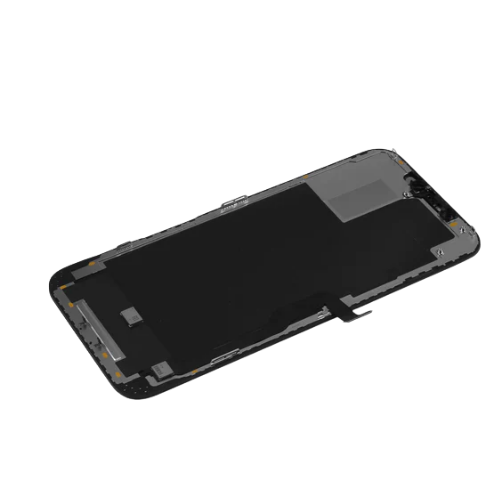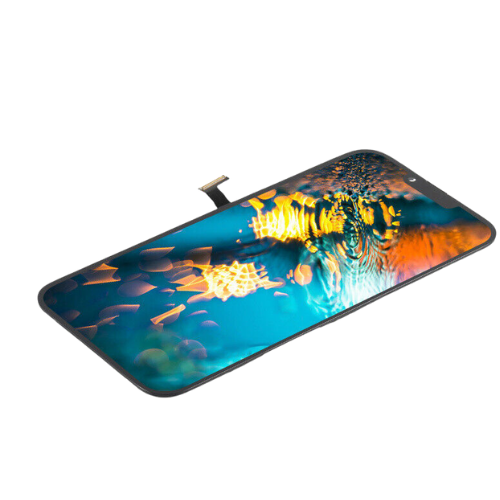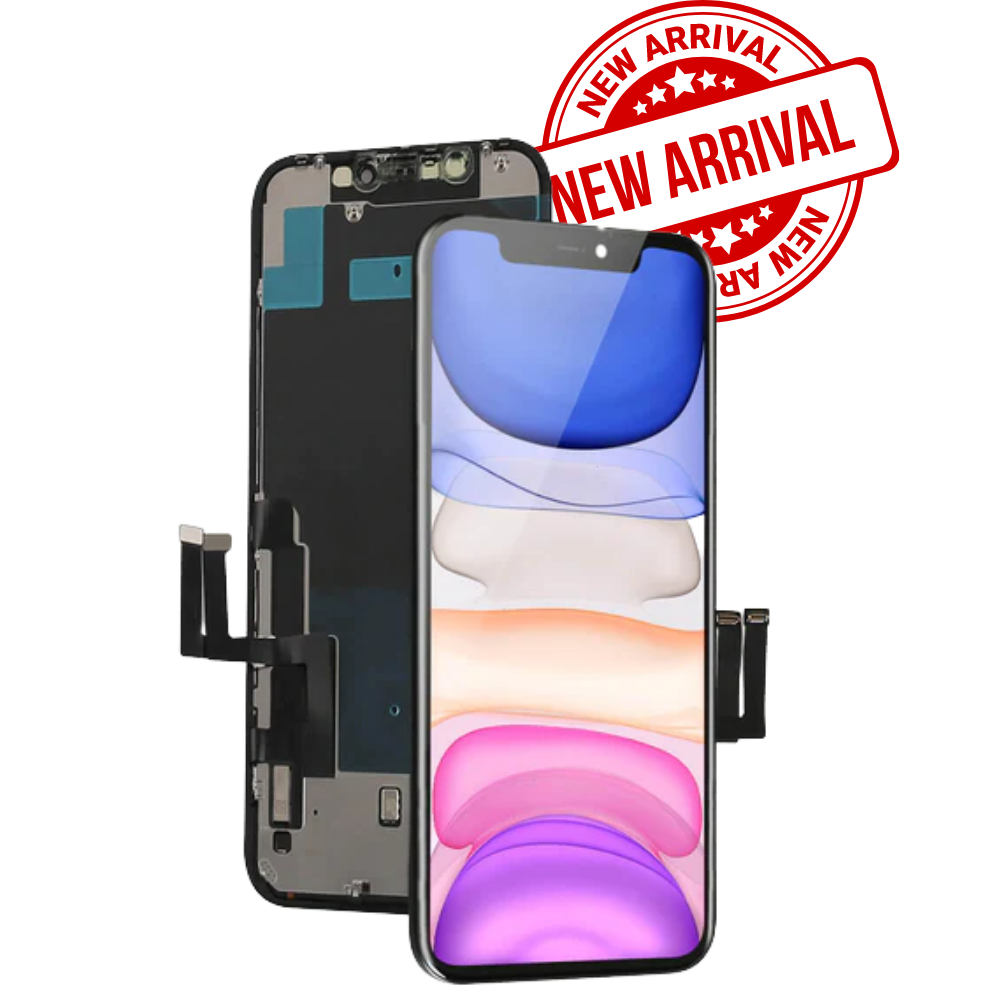

Ecranele smartphone-urilor sunt una dintre cele mai importante caracteristici pe care oamenii le iau în considerare atunci când cumpără un telefon nou. Dar cu atât de mulți termeni—LCD, OLED, Amoled, IPS, TFT — este ușor să te simți copleșit. Nu vă faceți griji. În acest ghid, defalcăm totul într-un mod simplu și prietenos, ajutându-vă să înțelegeți cum funcționează fiecare ecran, ceea ce le face diferite, și care se potrivește cel mai bine nevoilor tale.
Introducere în tehnologiile de afișare a smartphone-urilor
De ce contează tehnologia ecranului
Ecranul telefonului dvs. afectează tot— cât de strălucitoare arată aplicațiile tale, cât de confortabil este să citești noaptea, cat dureaza bateria ta, și chiar și grosimea dispozitivului dvs. Alegerea afișajului potrivit vă poate îmbunătăți considerabil experiența de zi cu zi.
Cele două tabere majore: LCD vs OLED
Toate tehnologiile de afișare pentru consumatori se împart în două categorii principale:
- LCD (Afișare de cristal lichid) → se bazează pe a lumina de fundal
- OLED (Diodă emițătoare de lumină organică) → utilizări pixeli auto-emițători
Tehnologii ca TFT, IPS, Amoled, Super AMOLED sunt doar versiuni îmbunătățite în aceste două familii principale.
Tabelul de prezentare generală a tehnologiilor ecranelor principale
Tabel de comparație rapidă
| Tip de ecran | Principiul de bază | Principalele avantaje | Principalele dezavantaje |
|---|---|---|---|
| LCD | Utilizează a lumina de fundal; cristalele lichide se răsucesc pentru a controla lumina. | Cost scăzut, durata de viata lunga, nicio pâlpâire, prietenos cu ochii. | Contrast mai mic; negrii par gri; mai gros; consum mai mare de energie. |
| OLED | Pixeli auto-emițători; fiecare pixel se aprinde individual. | Contrast superior, negru pur, culori vibrante, flexibil, eficient din punct de vedere energetic. | Durată de viață mai scurtă, risc de ardere, pâlpâie la luminozitate scăzută. |
| Amoled | OLED cu matrice activă controlul pixelilor. | Luminozitate mai bună, culoare, Eficiența puterii; calitate premium. | Aceleași probleme OLED + cost mai mare. |
| TFT (LCD) | LCD cu tranzistoare cu peliculă subțire controlul pixelilor. | Răspuns rapid, ieftin. | Unghiuri de vizualizare slabe; culori mai slabe și luminozitate. |
| IPS (LCD) | LCD îmbunătățit cu o mai bună aliniere a cristalelor lichide. | Unghiuri largi de vizualizare, culori precise. | Mai gros decât OLED; folosește mai multă putere. |
Aprofundare în tehnologia LCD
Cum funcționează LCD
LCD-urile nu produc lumină de la sine. În schimb, o iluminare de fundal albă strălucește prin mai multe straturi:
- Lumina de fundal
- Strat de cristale lichide
- Filtre de culoare
Cristalele lichide se răsucesc ca niște „porți”.,” controlând cât de multă lumină trece.
Punctele forte ale LCD-ului
- Buget-friendly
- De lungă durată (fără risc de ardere)
- Foarte stabil cu fără pâlpâire PWM, ideal pentru ochii sensibili
- Folosit în tablete, smartphone-uri ieftine, și monitoare
Punctele slabe ale LCD-ului
- Negrule par gri, deoarece lumina se scurge
- Mai gros și mai greu
- Mai puțin eficient din punct de vedere energetic
- Contrast slab în comparație cu OLED
IPS ca formă avansată de LCD
IPS (Comutare în plan) îmbunătățește unghiurile de vizualizare și acuratețea culorilor prin aranjarea orizontală a cristalelor lichide. Acesta este motivul pentru care iPhone-urile au folosit ecrane IPS de ani de zile – arată natural și consistent.
Înțelegerea tehnologiei TFT
Ce înseamnă TFT
TFT înseamnă Tranzistor cu peliculă subțire, un tip de LCD în care fiecare pixel are propriul său tranzistor. Acest lucru permite comutarea mai rapidă a pixelilor.
Beneficiile TFT
- Timp de răspuns rapid
- Încă foarte accesibil
- Bun pentru dispozitive bugetare
Dezavantajele TFT-LCD
- Unghiuri de vizualizare slabe
- Culori mai puțin precise
- Consum mai mare de energie decât IPS
Explorarea tehnologiei OLED
Principiul de bază de lucru
Fiecare pixel dintr-un ecran OLED este un mic diodă organică care emite lumină atunci când este alimentat. Nu este nevoie de iluminare de fundal.
Avantajele OLED-ului
- Raport de contrast infinit
- Negru perfect
- Vibrant, culori saturate
- Ultra-subțire, flexibil
- Mai eficient din punct de vedere energetic atunci când afișați conținut întunecat
Dezavantajele OLED-ului
- Materialele organice se degradează în timp
- Ardere poate apărea cu imagini statice
- Pâlpâirea PWM la luminozitate scăzută poate provoca oboseala ochilor
- Costul este mai mare decât LCD
De ce unii utilizatori evită OLED
Dacă citești mult noaptea, sau păstrați ecranul întunecat, Pâlpâirea PWM vă poate deranja ochii. LCD-ul este mai sigur pentru utilizatorii sensibili.
AMOLED – Standardul modern al OLED
Ce face AMOLED diferit
AMOLED înseamnă OLED cu matrice activă. Adaugă un strat de tranzistori care controlează cu precizie fiecare pixel, imbunatatirea:
- Luminozitate
- Viteză
- Eficiența puterii
Super AMOLED explicat
Samsung Super AMOLED integrează stratul tactil în panoul de afișare, făcându-l:
- Mai subțire
- Mai strălucitor
- Mai receptiv
- Mai puțin reflectorizant
Avantajele și dezavantajele lui AMOLED în uz real
PRO:
- Cel mai bun pentru telefoane high-end
- Punchy, aspect premium
- Ideal pentru modele curbate sau pliabile
Contra:
- Costă mai mult
- Temeri de ardere pe termen lung
IPS – „LCD mai bun”
Cum IPS îmbunătățește unghiurile de vizualizare
IPS aliniază cristalele lichide paralel cu ecranul, imbunatatirea:
- Unghiuri de vizualizare
- Precizia culorii
- Uniformitatea luminozității
IPS vs TFT
IPS bate TFT în aproape toate aspectele, cu excepția costurilor.
IPS în telefoanele inteligente de astăzi
Încă folosit pe scară largă în telefoanele de gamă medie și buget, datorită stabilității și confortului ochilor.
Diferențele cheie între LCD, OLED, Amoled, TFT & IPS
Calitatea culorii
OLED câștigă pentru saturație și contrast.
IPS câștigă pentru reproducerea naturală a culorilor.
Consumul de energie
OLED este mai eficient pentru modul întunecat; LCD-ul poate consuma mai multă putere.
Durată de viaţă & Durabilitate
LCD-ul durează mai mult; OLED îmbătrânește și poate arde.
Confortul ochilor
LCD nu are pâlpâire PWM → mai bine pentru ochii sensibili.
OLED folosește PWM → poate provoca oboseală.
Grosime & Design dispozitiv
OLED este mai subțire → folosit la telefoanele curbate și pliabile.
LCD-ul este mai gros → mai ales în plat, telefoane bugetare.
Alegerea celui mai bun ecran pentru nevoile dvs
Cel mai bun pentru confortul ochilor
IPS / LCD
Cel mai bun pentru durata de viață a bateriei
OLED / Amoled
Cel mai bun pentru telefoane bugetare
TFT-LCD sau IPS
Cel mai bun pentru display-uri de ultimă generație
Amoled / Super AMOLED
Cel mai bun pentru telefoane pliabile sau curbate
OLED flexibil
Tendințe viitoare în afișajele smartphone-urilor
MicroLED
Combină tot ce este mai bun din LCD și OLED - strălucitor, durabil, fără ardere. Încă foarte scump.
Panouri cu rată ridicată de reîmprospătare
120Ecranele Hz și 144Hz devin mainstream pentru jocuri și derulare mai fluide.
LTPO ESTI
Permite rate de reîmprospătare dinamice, economisirea bateriei fără a sacrifica finețea.
Concluzie
Alegerea dintre LCD, OLED, TFT, IPS, iar AMOLED nu este despre găsirea unui afișaj „perfect”.. Este vorba de a-l găsi pe cel care se potrivește stilului tău de viață. Dacă prioritatea ta este confortul și durabilitatea ochilor, LCD sau IPS ar putea fi cel mai bun prieten al tău. Dacă îți poftești culori vibrante, negrii adânci, si design modern, OLED sau AMOLED este calea de urmat. Și dacă aveți un buget, Ecranele TFT oferă încă performanțe solide de zi cu zi.
Acum știi exact cum funcționează fiecare tehnologie, punctele lor forte, slăbiciunile lor, și cum să alegeți afișajul de care vă veți bucura cu adevărat.
Întrebări frecvente
1. Ce tip de ecran durează cel mai mult?
LCD durează în general mai mult, deoarece nu utilizează materiale organice care se degradează.
2. OLED-ul este mai bun pentru jocuri?
Da, timp de răspuns mai rapid, negrii mai adânci, și un contrast mai bun îl fac ideal.
3. LCD-ul provoacă mai puțin oboseala ochilor?
Pentru mulți oameni, Da. LCD nu folosește pâlpâirea PWM de joasă frecvență.
4. Care ecran este cel mai luminos?
Ecranele AMOLED de ultimă generație ating adesea cea mai mare luminozitate maximă.
5. De ce unii oameni încă preferă LCD-ul?
Pentru că este stabil, durabil, fără pâlpâire, si mai ieftin.